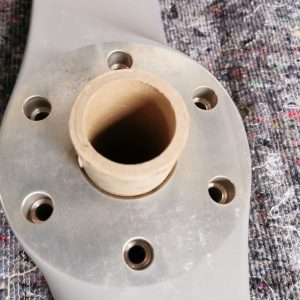
New, Never Installed may support a restoration, new aircraft build, engine installation, maintenance project, spare inventory requirement, or replacement-propeller search.
The shortened Sensenich 74DM6 Propeller description can improve search visibility, while the complete part number should remain available for technical review.
These related phrases connect the product with buyers seeking a durable and comparatively straightforward general aviation propeller design.
A Lycoming O-320 Propeller may only be appropriate for selected engine and airframe combinations, even when the basic engine family appears compatible.
The Certified Aircraft Propeller description should distinguish the approved propeller design from the current serviceability and installation eligibility of the individual unit.
Confirming the Exact Aircraft Propeller
A propeller should not be accepted as P/N 74DM6-0-60 solely because it resembles another Sensenich model shown in a catalog or online advertisement.
Original packaging can support the product history but does not replace inspection of the actual propeller.
Understanding New-Old-Stock Propeller Status
An unused propeller may still develop coating damage, corrosion, moisture exposure, scratches, dents, contamination, or packaging-related abrasion.
The packaging should be examined for water stains, crushing, punctures, chemical odors, damaged supports, or signs that the blades contacted the container.
How a Fixed-Pitch Aluminum Propeller Operates
The 74DM6-0-60 should be selected using applicable technical data rather than general claims about improved climb or cruise performance.
Professional verification supports responsible use of the Sensenich Fixed-Pitch Propeller.
Benefits of Metal Propeller Blades
Aluminum construction offers a durable and proven solution for many general aviation aircraft when the blades, hub, mounting surfaces, leading edges, tips, and protective finish remain within acceptable condition.
Identification markings should remain legible and protected during handling.
Confirming the Propeller Diameter
The measurement should not be assumed from packaging labels or seller estimates alone.
Professional measurement supports the responsible use of the 74-Inch Aircraft Propeller.
Documenting the Propeller Configuration
Pitch influences theoretical forward movement, engine loading, achievable RPM, climb behavior, and cruise characteristics.
Professional pitch evaluation protects the Sensenich 74DM6-0-60 Propeller.
Matching the Propeller to the Correct Engine
The buyer should review current approved installation information before purchasing or mounting the propeller.
Qualified research supports responsible selection of a Lycoming O-320 Propeller.
Two-Blade Aircraft Propeller Configuration
A Two-Blade Aircraft Propeller should be evaluated as a complete matched assembly rather than as two independent blade components.
Unexplained grinding, drilling, filing, material removal, or attached weights should receive professional review.
Preparing the Replacement Aircraft Propeller
The mounting face should remain clean, flat, protected, and free from defects that could prevent correct seating.
Fasteners should not be selected solely by visual appearance, basic diameter, or thread size.
Evaluating Scratches, Dents, and Finish Damage
Professional evaluation protects the Sensenich Aircraft Propeller from unsuitable installation.
Suspicious areas should be examined carefully after the wrapping is removed using appropriate handling procedures.
Preserving an Unused Aircraft Propeller
A dry storage history can reduce corrosion risk but does not eliminate the need for inspection.
Protective covers should prevent contamination and impact without encouraging condensation around the aluminum.
Certified Aircraft Propeller Status
Certified design status does not automatically establish the present serviceability, airworthiness, or installation eligibility of an individual propeller.
All documents should remain permanently associated with the correct physical propeller.
Evaluating Release Paperwork
The manufacturer data plate should remain legible, securely attached, and consistent with the physical propeller, invoice, packaging, and supplied documents.
Paperwork should not be interpreted beyond its actual scope or current relevance.
Evaluating a New Never-Installed Propeller
The seller should provide photographs of both sides of each blade, leading edges, trailing edges, tips, hub, mounting holes, data plate, packaging, and any damaged areas.
- Confirm P/N 74DM6-0-60, the complete serial number, manufacturer markings, 74-inch diameter, 60-inch pitch, blade count, hub dimensions, bolt pattern, and original configuration.
- Confirm the manufacture or purchase date, storage duration, environmental conditions, preservation method, ownership history, and absence of operating time.
- Report freight damage, missing documentation, identification differences, corrosion, finish defects, blade damage, or dimensional discrepancies promptly.
Protecting a New Two-Blade Propeller in Transit
Moisture-resistant wrapping may be appropriate when it does not trap condensation against the aluminum.
Loose hardware, records, spinner components, and accessories should be wrapped, labeled, and secured separately.
Protecting the Propeller Before Installation
During storage, the propeller should remain clean, dry, supported, protected from impact, and separated from corrosive chemicals or uncontrolled environmental exposure.
Organized storage supports the commercial value of the General Aviation Propeller.
Installing the Sensenich 74DM6-0-60
Incorrect bolts, unsuitable washers, damaged threads, or improvised spacers should not be used.
Blade tracking should be evaluated after mounting.
Authorized personnel should complete all required maintenance records and return-to-service actions.
Routine Sensenich Propeller Maintenance
Unapproved filing or sanding can remove excessive material and alter the blade geometry.
Pilots and operators should report new vibration, visible blade damage, unusual noise, or performance changes promptly.
Evaluating Never-Installed Propeller Pricing
A recent professional inspection may add value when the scope, measurements, findings, and documentation are described accurately.
The lowest advertised price may not represent the lowest installed cost when hardware, records, or compatibility information are incomplete.
Buying a Fixed-Pitch Aluminum Propeller
New, Never Installed may suit aircraft owners, maintenance organizations, builders, propeller specialists, restorers, aviation dealers, and general aviation operators seeking an identifiable unused component.
The propeller should be evaluated with the receiving aircraft’s Lycoming engine, flange, spinner, operating limitations, clearances, and approved installation requirements in mind.
Whether the requirement is a Sensenich Propeller P/N 74DM6-0-60, Sensenich 74DM6 Propeller, or 74DM6-0-60 Aircraft Propeller, exact identification should guide click here the purchase.
With responsible purchasing, dimensional verification, corrosion and damage inspection, correct hardware, tracking, and balance evaluation, the component can remain a valuable aviation asset.